
7 hr
Cham Island Speedboat & Snorkeling Adventure
Race across the waves to a UNESCO Biosphere Reserve for snorkeling, island culture, and fresh seafood
Reserve
Hand-picked by our editors — only the best 5 snorkeling experiences from 18 reviewed
Verified partners for every tour, free cancellation where available, and instant confirmation on every booking.
7 hr
Race across the waves to a UNESCO Biosphere Reserve for snorkeling, island culture, and fresh seafood
Reserve
7 hr
Speed across turquoise waters to snorkel vibrant reefs, explore ancient pagodas, and feast on island seafood
Reserve
6 hr 30 min
Speedboat journey to a protected marine reserve with guided village walks, coral reef snorkeling, and beachside Vietnamese lunch
ReservePrices from verified partners. Availability updates in real time at checkout. Free cancellation policies apply where shown.
The landmarks, rooms, and views travelers on this tour remember — all visible on a single visit.
A historic 18th-century temple featuring ornate architecture and significant local spiritual history.
Dating back over 2,500 years, this well provides a fascinating look into early island settlement history.
Renowned for its crystal-clear water and protected status, it is a primary spot for snorkeling in the marine park.
An impressive natural shelter where local fishermen secure their vessels during seasonal storms.
A UNESCO World Biosphere Reserve housing over 950 aquatic species and vibrant coral reefs.
They complement each other; most visitors who prefer personalized marine exploration over communal travel call the private charter the more rewarding cham island snorkeling private tour tour.
| Feature | Top pick Private Tour | Group Tour |
|---|---|---|
Customization |
High itinerary control | Fixed route |
Flexibility |
Adjustable departure time | Strict schedule |
Crowd Experience |
Exclusively your group | High density with strangers |
Cost |
Premium per boat | Low per-person fee |
Itinerary Pace |
Self-directed exploration | Regulated timing |
Arrival Window |
Recommended 08:00–10:00 | Strict departure windows |
| See tickets → |
Verdict: Private options offer superior control over reef locations and timing, whereas group excursions provide a standard experience with shared costs for those securing cham island snorkeling private tour tickets or cham island snorkeling private tour tours.
Choose your ticket, select your date, and reserve in under two minutes. Secure checkout handled by our verified partner.
Instant confirmation by email, with a mobile voucher you can save offline. No printing, no queuing at a collection desk.
Arrive at the entrance, show your voucher on your phone, and walk in. Most tickets include priority or skip-the-line access.
Practical details for your visit straight from our verified partners — hours, access, rules, and how to get there.
Tân Hiệp, Hội An
Main departure wharf for all boat transfers
Direct transfer from central Hội An to Cua Dai Port is the most common option.
Pre-booked private transfers offer the most flexibility for groups.
Modest clothing is required when visiting cultural sites like Hai Tang Pagoda. Swimwear is suitable for snorkeling at designated beach areas.
Single-use plastic bags are prohibited on the islands to protect the biosphere. Expect random bag checks for plastics at the port.
Photography is encouraged throughout the archipelago. Please seek permission from locals before capturing images of residents or private homestays.
The island has steep, hilly roads not suitable for standard wheelchairs. Boat boarding involves stepping across uneven surfaces.
Mobile signal is generally available near the main village of Bai Lang but can be intermittent at remote snorkeling coves.
The cham island snorkeling private tour is highly recommended for families due to the calm, shallow waters of Bai Xep. Always supervise children near the docks.
Local seafood is available at village markets and beach restaurants. Bringing extra water is advised for your cham island snorkeling private tour.
Pets are generally discouraged on boat-based group or private tours due to limited space and safety regulations.
Always verify your cham island snorkeling private tour itinerary, as specific snorkel sites depend on daily sea currents. Booking in advance is necessary to secure a boat.
Best time to go, insider tips, nearby landmarks, and the cancellation fine print — flip through to skim what matters to you.
How crowds, weather, and events shift across the year.
March to May offers the most stable weather and calmest seas for snorkeling. Visibility is at its peak during these months.
June to August is the prime season for water activities. Temperatures are warm and ideal for long days in the water.
September begins the shift toward rainy season, with increased wind and frequent boat service cancellations.
October to February experiences rough seas and limited accessibility. Snorkeling is generally suspended during this period.
Small details that turn a good visit into a great one.
Do not bring plastic bags to the island as they are strictly prohibited to maintain the biosphere reserve status.
Non-bookable sights within a short walk — free to visit, easy to pair.
A historic 18th-century temple offering cultural insight and mountain views.
An ancient well dating back to the Champa civilization era.
A lively local market where villagers sell fresh seafood and island crafts.
A natural shelter for local fishing boats, historic and visually striking.
Flexible, no hidden fees.
Full refunds are typically provided for weather-related cancellations, which are common during the rainy season. Please check with your operator regarding the 90,000 VND total entrance and environmental fee reimbursement.
Hand-picked options within walking distance — pick a district for vibe, or a specific hotel for convenience.
Authentic local experience in a quiet village setting.
Various family-run houses near the main market area.
Basic, eco-friendly lodging located near the main beaches.
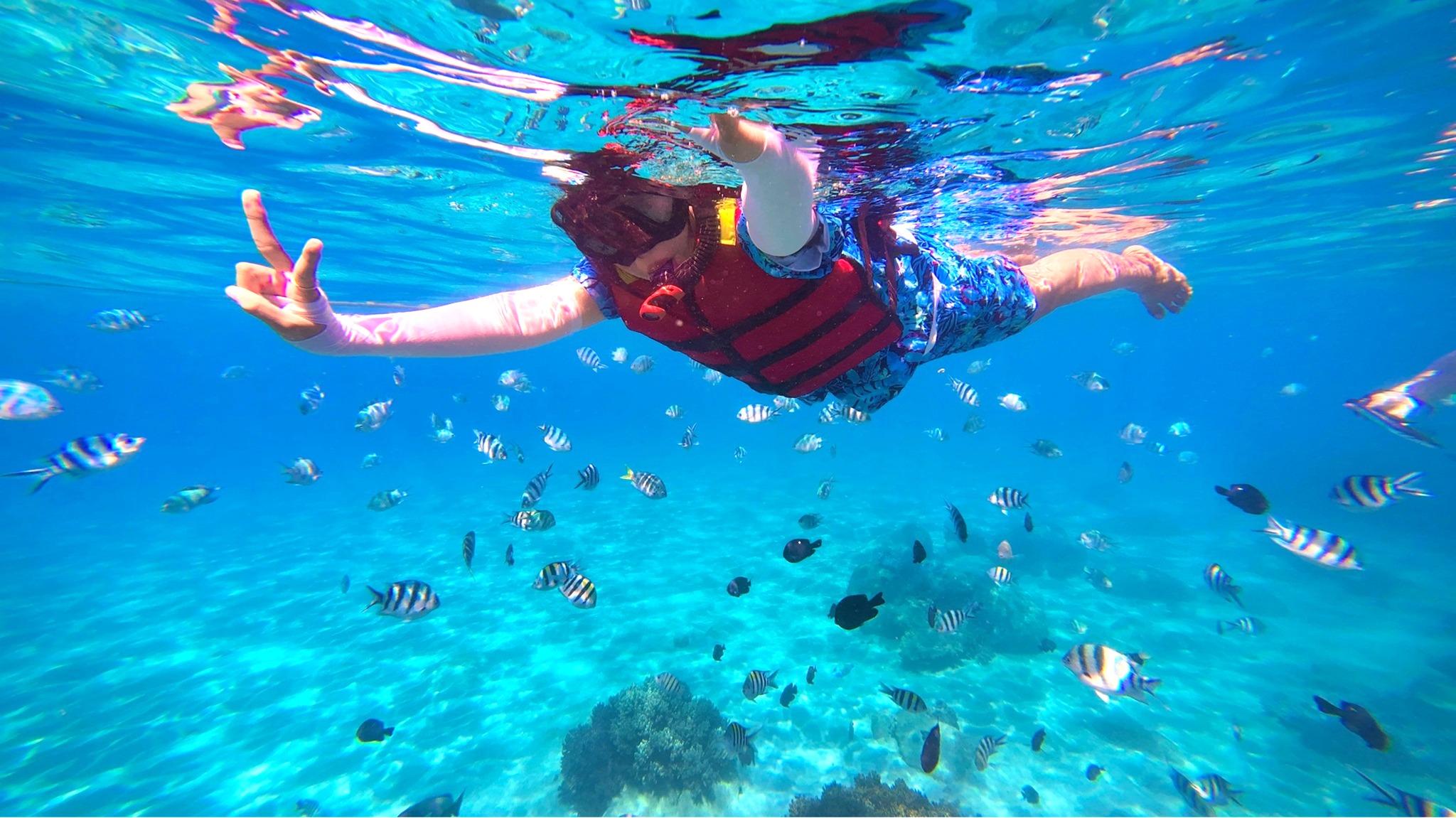
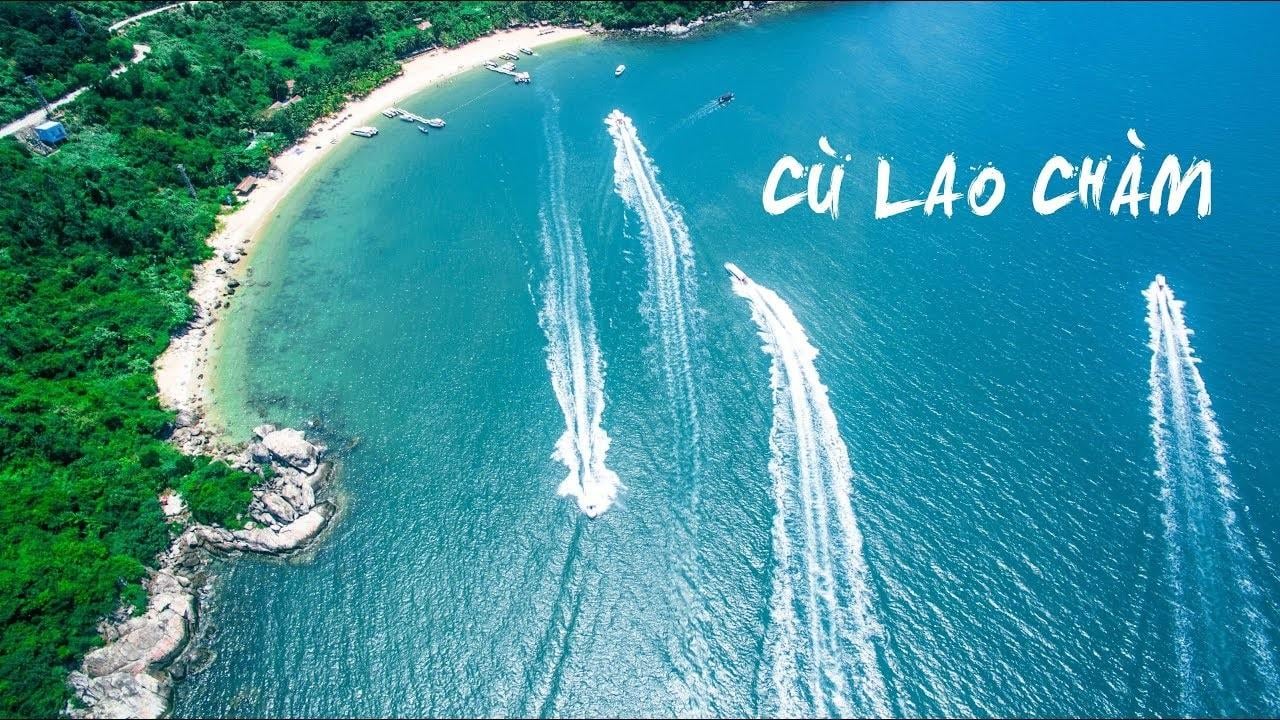
Eight islands lie twenty kilometers east of Hoi An, ringed by coral beds that UNESCO designated a World Biosphere Reserve in 2009. The Cham Islands shelter four hundred species of reef fish and one hundred thirty-five coral varieties, concentrated in shallow gardens that reach full visibility between April and September. Vietnamese authorities capped daily visitor numbers at three thousand in 2011, enforcing a zoning plan that reserves the northern coastline of Hon Lao—the largest island—for scientific monitoring while opening southern bays to supervised snorkeling. The marine park generates fifteen billion Vietnamese dong annually, half of which funds ranger patrols and mooring-buoy systems that prevent anchor damage to the reefs. Fishing communities on Hon Lao and Hon Dai transitioned from trawling to eco-tourism between 2010 and 2015, converting wooden boats into passenger shuttles and establishing homestays near Bai Lang village. The shift followed a decade-long decline in tuna and grouper stocks, documented by the Nha Trang Institute of Oceanography in a 2008 biodiversity survey that recorded forty percent reef degradation from dynamite fishing. Conservation measures since then—including a no-take zone covering twelve square kilometers—have restored hard coral cover to sixty-one percent as of 2024. Private snorkeling excursions depart Cua Dai pier at dawn, crossing the channel in thirty to forty minutes depending on sea state. Operators hold permits from the Cu Lao Cham Marine Protected Area management board, limiting group sizes to fifteen passengers per vessel to reduce reef trampling. Most itineraries allocate two hours for snorkeling across two sites: Bai Chong on Hon Lao's southeast coast, where elkhorn coral formations rise three meters from sandy floors, and Bai Ong near Hon Tai, a drift site favored for schools of fusiliers and occasional hawksbill turtle sightings. Surface water temperature holds steady at twenty-eight degrees Celsius through summer, dropping to twenty-four in January and February when northeast monsoons reduce visibility to eight meters. Cham island snorkeling private tour operators include gear rental, reef-safe briefings, and the ninety-thousand-dong conservation fee—seventy thousand for island entry, twenty thousand for environmental monitoring—in quoted prices. Speedboat transfers shave fifteen minutes off the crossing compared to older wooden ferries, a advantage that extends bottom time during morning slack tides when current along the outer reefs drops below half a knot.
"Four hundred species of reef fish and one hundred thirty-five coral varieties concentrate in shallow gardens that reach full visibility between April and September."
A step-by-step walkthrough of the visit — what you'll see, how long each stage takes, and the details that matter.
You board the speedboat at Cua Dai dock thirty minutes before departure, stowing dry bags in the forward locker while the crew checks passenger counts against the permit manifest. The engine opens up past the river mouth, hull slapping over low swells as the Marble Mountains recede to the west. Forty minutes later the boat slows near Bai Chong, dropping a mooring line rather than anchoring to protect the sandy bottom. You pull on fins at the swim platform, adjusting the mask seal before following the guide into water clear enough to see the anchor chain thirty feet below. Elkhorn coral branches spread across the slope, their surfaces crowded with damselfish and wrasse that scatter as you kick past. The guide points to a crevice where a moray eel curves its head out, jaws pulsing, then gestures toward deeper water where a school of jacks moves in formation. You surface after thirty minutes, climb back aboard, and the boat motors to Bai Ong for a second drift. After the final snorkel you rinse gear on deck while the crew distributes cold towels and bottled water. The return crossing takes forty-five minutes, spray misting over the bow as you dry off in the sun.
Cham Island is accessible daily from 07:30–17:00. These hours apply year-round, weather permitting.
The entrance fee is 90,000 VND per person, which covers the 70,000 VND entry fee and 20,000 VND environmental/security fee.
Yes, this tour is great for families, especially when booking a private vessel for more flexibility at the snorkeling sites.
The ideal season is from March to August, when the water is clearest and the sea is calmest for boat transit.
Yes, plastic bags are prohibited to protect the local environment. Please keep your gear organized in a reusable bag.
Photography is allowed and encouraged! Just be mindful of local residents and ask permission before photographing people.
Most tours include transfers from Hội An to Cua Dai Port, which is roughly 7–8 km from the center.
Yes, high winds and typhoons between September and February often force boat cancellations for safety reasons.
Pack sunscreen, a hat, swimwear, a towel, and a reusable water bottle for your day in the marine park.